
Aluminum strip for cables play a crucial role in ensuring the longevity, safety, and performance of various cable types. From power distribution to communication networks, these specialized aluminum strips provide vital protection and enhance functionality.
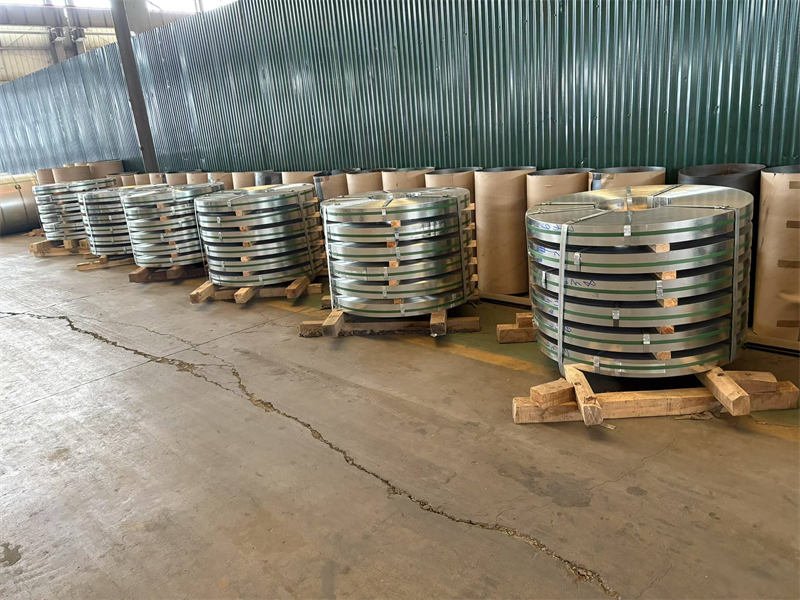
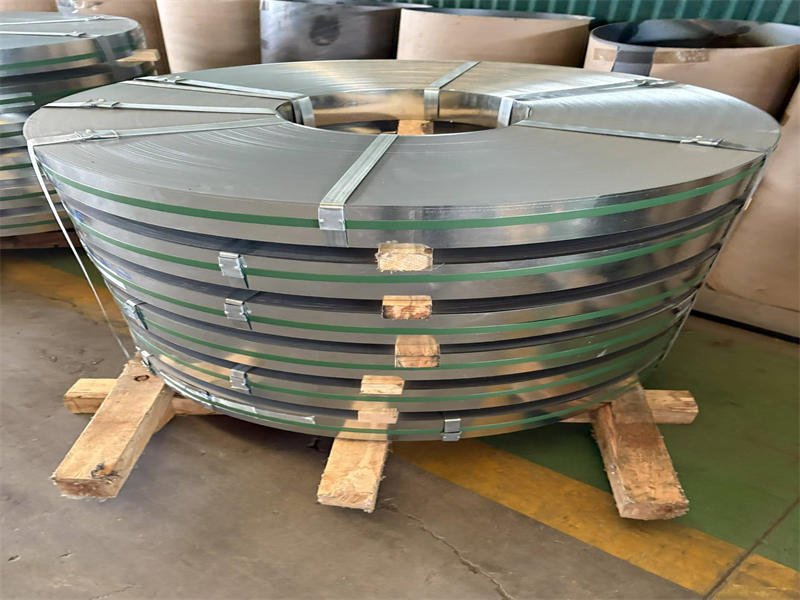
Specifications of Aluminum Strip for Cables
Understanding the specifications is crucial when selecting the right aluminum strip for cables for your project.
| Classification | Typical Thickness Range (mm) | Common Alloy Types | Packaging Options | Key Characteristics |
|---|---|---|---|---|
| Cable Armouring | 0.2 – 3.0 | 1060, 1070, 1100, 5052 | Coils, Spools, Cut-to-Length | Mechanical protection, EMI shielding |
| Cable Shielding | 0.05 – 0.2 | 1200, 8011, 8079 | Coils, Spools | EMI/RFI shielding, flexibility |
| Cable Insulation | 0.006 – 0.05 | 1235, 8011, 8079 | Coils, Rolls | Electrical insulation, moisture barrier |
Types of Aluminum Strips for Cable Applications
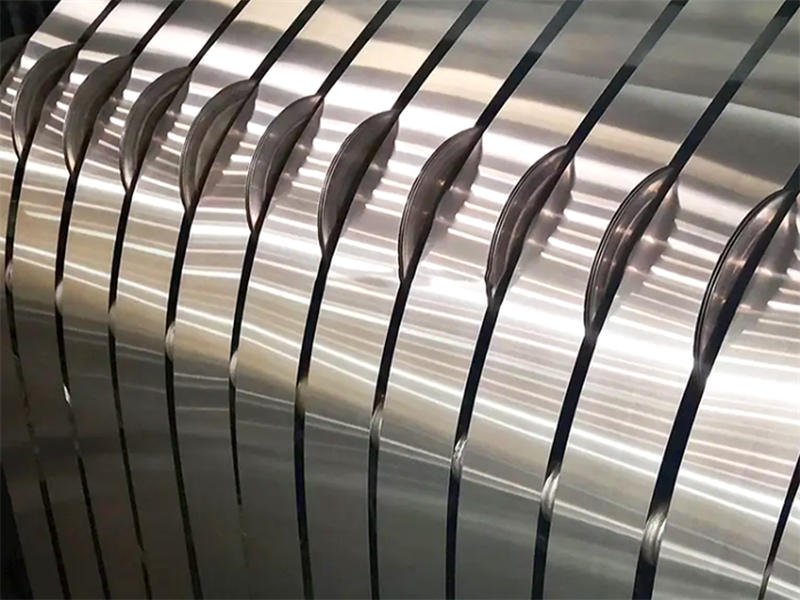
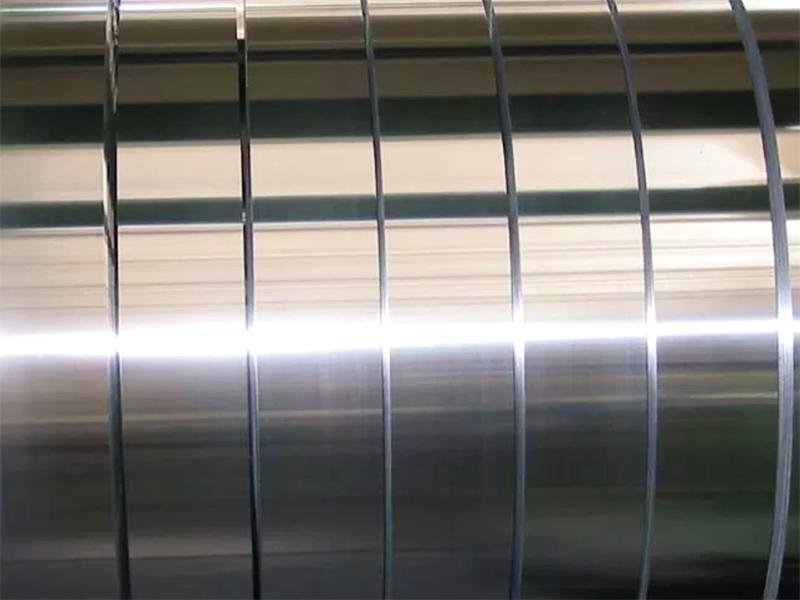
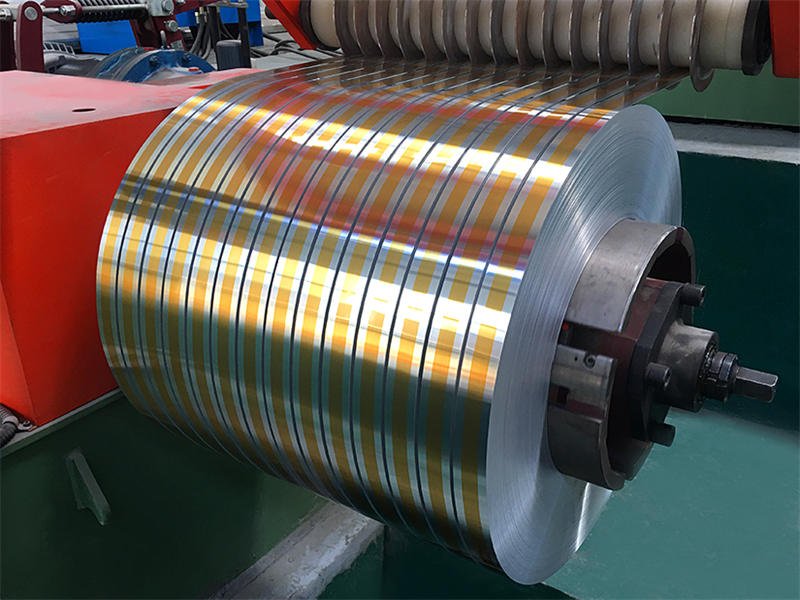
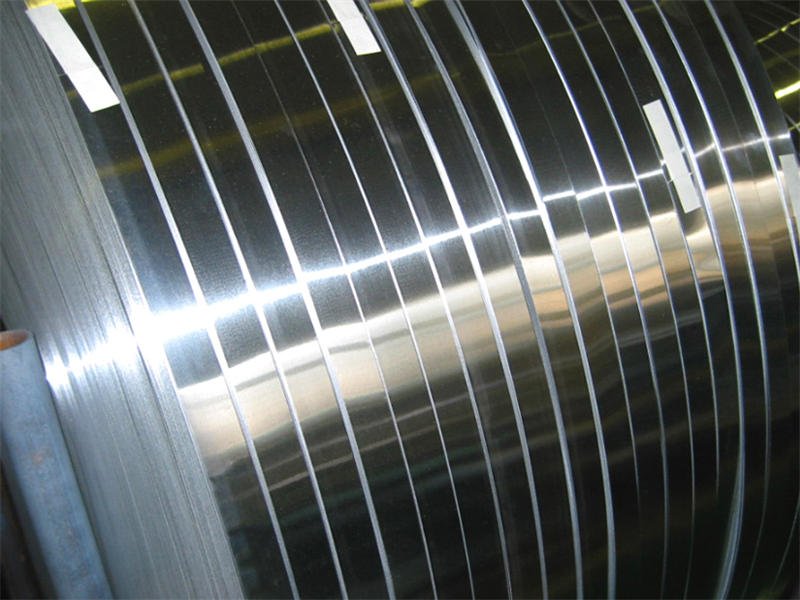
Different cable applications demand specific properties, leading to the development of various aluminum strip for cable types.
1060 Aluminum Strip For Electric Cable Armouring
The 1060 aluminum strip for electric cable armouring is a popular choice due to its high purity (minimum 99.6% aluminum). This high purity ensures excellent electrical conductivity and good formability, making it ideal for protecting electrical cables. It provides a robust physical barrier against mechanical damage and helps maintain the cable’s structural integrity over time.
5052 Aluminum Strip For Cable Armouring
For applications requiring enhanced strength and improved corrosion resistance, the 5052 aluminum strip for cable armouring is often preferred. This alloy contains magnesium as its primary alloying element, which significantly boosts its strength and makes it suitable for more demanding environments where cables might be subjected to greater stress or exposure to harsh conditions.
Aluminum Foil Strip For Cable
Beyond armouring, aluminum foil strip for cable serves critical functions in shielding and insulation. These thinner strips are used to create a barrier against electromagnetic interference (EMI) and radio frequency interference (RFI), ensuring signal integrity in sensitive communication and data cables. Its flexibility allows for tight wrapping around cable cores.
Aluminium Foil Strip For Insulation and Cable Foil
Similar to the above, aluminium foil strip for insulation and cable foil is specifically designed to provide electrical insulation and enhance the overall performance of cables. It often works in conjunction with other insulating materials to prevent current leakage and ensure efficient power or data transmission. Its reflective properties can also help manage heat within the cable.
Applications of Aluminum Strips for Cables
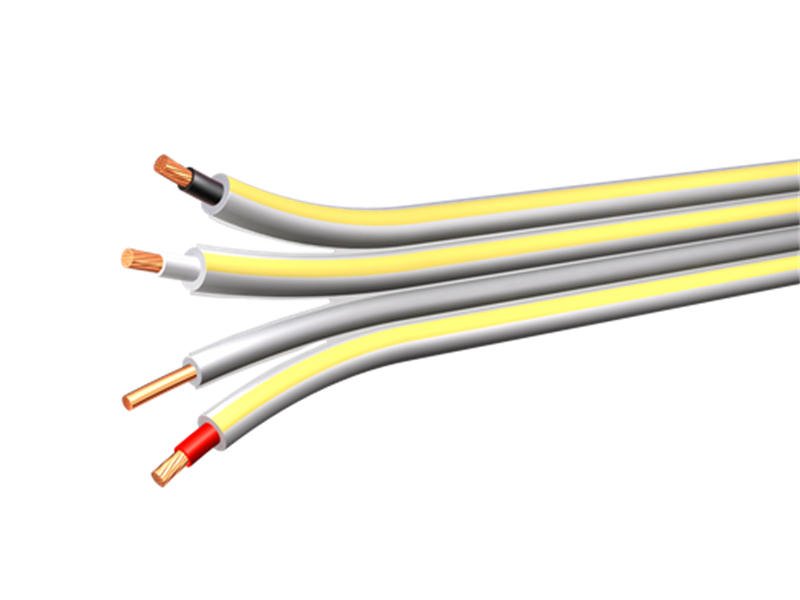
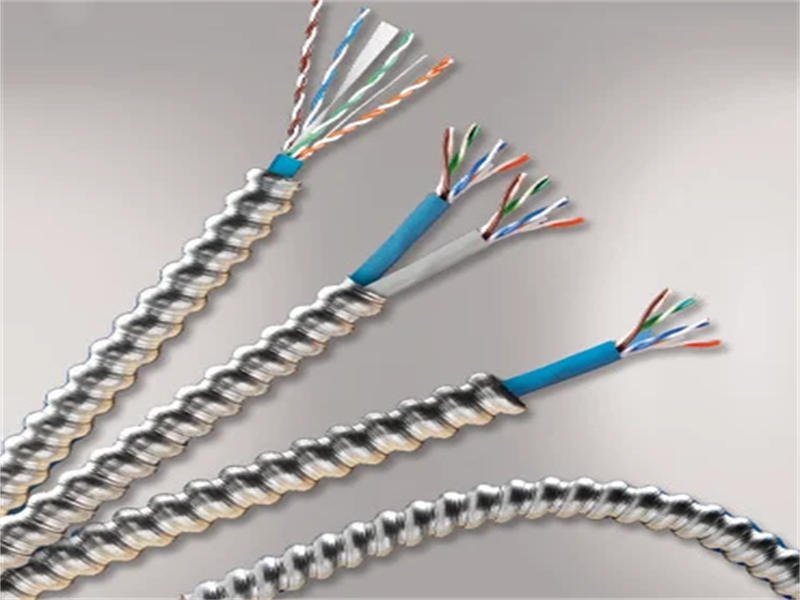
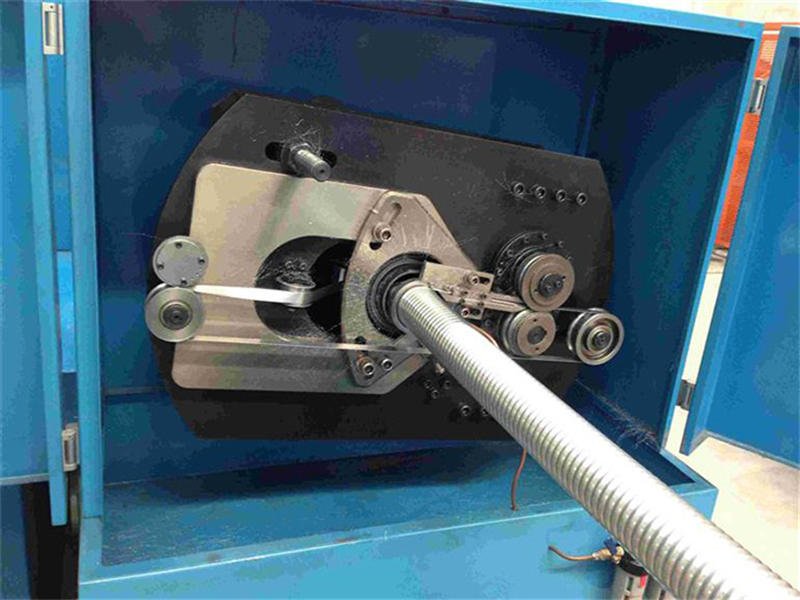
The versatility of aluminum strip for cable makes it indispensable across a broad spectrum of industries and applications:
- Power Cables: Used for armouring and shielding in low, medium, and high-voltage power transmission cables to protect against physical damage and ensure stable power supply.
- Communication Cables: Essential for shielding in coaxial cables, twisted pair cables, and fiber optic cables to prevent signal degradation from electromagnetic interference.
- Control Cables: Provides protection and integrity for cables used in industrial automation and control systems.
- Submarine Cables: Employed in specialized applications for robust protection in harsh underwater environments.
- Mining Cables: Offers durability and resistance to harsh conditions encountered in mining operations.
- Building Wires: Used for certain types of armoured cables within residential and commercial buildings.
- Automotive Wiring: Found in specific automotive cable designs requiring lightweight shielding and protection.
Classification of Aluminum Cable Strips
| Type | Primary Function | Key Characteristics |
|---|---|---|
| Armoring Strip | Mechanical protection | High tensile strength |
| Shielding Foil | EMI/RFI protection | Thin, flexible |
| Insulation Strip | Moisture barrier | Corrosion resistant |
| Composite Strip | Multi-layer protection | Combined properties |
Thickness Specifications
| Thickness (mm) | Width Range (mm) | Typical Applications |
|---|---|---|
| 0.10-0.30 | 10-50 | Data cable shielding |
| 0.30-0.50 | 20-100 | Telecom cables |
| 0.50-1.00 | 30-150 | Power cable armoring |
| 1.00-2.00 | 50-300 | Underground cables |
How to Choose the Right Aluminum Strip for Your Needs
Selecting the appropriate aluminum strip for cable involves considering several factors:
- Application: Determine the primary function (armouring, shielding, insulation).
- Environmental Conditions: Consider exposure to moisture, chemicals, temperature extremes, and mechanical stress.
- Required Strength: Evaluate if a higher strength alloy like 5052 is necessary.
- Conductivity Needs: Assess the specific electrical or thermal conductivity requirements.
- Thickness and Width: Match the dimensions to the cable design.
- Budget: Balance performance requirements with cost considerations.
Consulting with an experienced aluminum strips for cable armouring manufacturer in China can provide valuable guidance and ensure you procure the most suitable product for your specific application.
Other Common Alloys:
| Alloy | Key Properties | Best For |
|---|---|---|
| 1100 | Soft, formable | Indoor cables |
| 3003 | Manganese added | Structural armor |
| 8011 | Heat treatable | High-temp cables |
Packaging Standards
- Coil Packaging:
- Inner diameter: 300/500/610mm
- Outer diameter: ≤1200mm
- Moisture-proof wrapping
- Edge protectors
- Sheet Packaging:
- Interleaved with protective paper
- Wooden crates for export
- Strapped with steel bands
1060 vs 5052 Aluminum Strips Comparison
| Parameter | 1060 | 5052 |
|---|---|---|
| Tensile Strength | 70-110 MPa | 210-260 MPa |
| Conductivity | 62% IACS | 35% IACS |
| Corrosion Resistance | Good | Excellent |
| Typical Thickness | 0.2-1.5mm | 0.5-2.0mm |
| Relative Cost | Lower | Higher |
Aluminum Foil Strip for Cable Applications
Key Features:
- Thickness: 0.05-0.2mm
- Width: 5-50mm
- Surface: One-side bright, one-side matte
- Temper: H18 or H19
Applications:
- LAN cables
- Coaxial cables
- Fiber optic cables
- Automotive wiring
Manufacturing Process
- Casting → 2. Hot Rolling → 3. Cold Rolling → 4. Annealing → 5. Slitting → 6. Packaging
Quality Control Points:
Dimensional tolerance (±0.02mm)
Surface defects inspection
Tensile strength testing
Conductivity verification
Why Aluminum Strip for Cables is Indispensable
Aluminum strip for cable offers a unique combination of properties that make it an ideal material for cable manufacturing. Its lightweight nature, excellent conductivity, and resistance to corrosion contribute significantly to the efficiency and durability of cables.
- Lightweight: Aluminum is much lighter than copper, making cables easier to handle, transport, and install, especially for long distances.
- Good Conductivity: While not as conductive as copper, aluminum offers sufficient electrical and thermal conductivity for many cable applications, especially when combined with other materials.
- Corrosion Resistance: Aluminum naturally forms a protective oxide layer, guarding against rust and corrosion, which is vital for cables exposed to various environmental conditions.
- Flexibility: Aluminum strips can be easily formed and shaped, adapting well to the demands of cable design and installation.
- Cost-Effective: Compared to alternative materials, aluminum offers a more economical solution without compromising essential performance characteristics.
Aluminum Strips For Cables Armouring Manufacturer In China
China has emerged as a leading global hub for manufacturing aluminum strips for cable armouring and other related aluminum products. Many aluminum strips for cable armouring manufacturer in China offer competitive pricing, a wide range of specifications, and advanced production capabilities.
When choosing a manufacturer, consider:
- Quality Certifications: Look for ISO, CE, or other relevant quality management certifications.
- Production Capacity: Ensure they can meet your volume requirements.
- Customization Capabilities: Confirm their ability to produce strips with specific alloys, thicknesses, and widths.
- Reputation and Experience: Research their track record and client testimonials.
- Logistics and Shipping: Understand their export procedures and shipping reliability.
Partnering with a reputable aluminum strips for cable armouring manufacturer in China can ensure a consistent supply of high-quality materials for your cable production needs.
Conclusion
Aluminum strip for cable is a cornerstone material in modern cable manufacturing, offering indispensable protection, performance, and cost-efficiency. From robust armouring for power cables to precise shielding for sensitive data lines, the diverse range of aluminum strip types caters to virtually every cable application. As technology advances, the demand for reliable and durable cables will only grow, cementing the vital role of these essential aluminum components in our interconnected world.